
Sun damage and photoaging
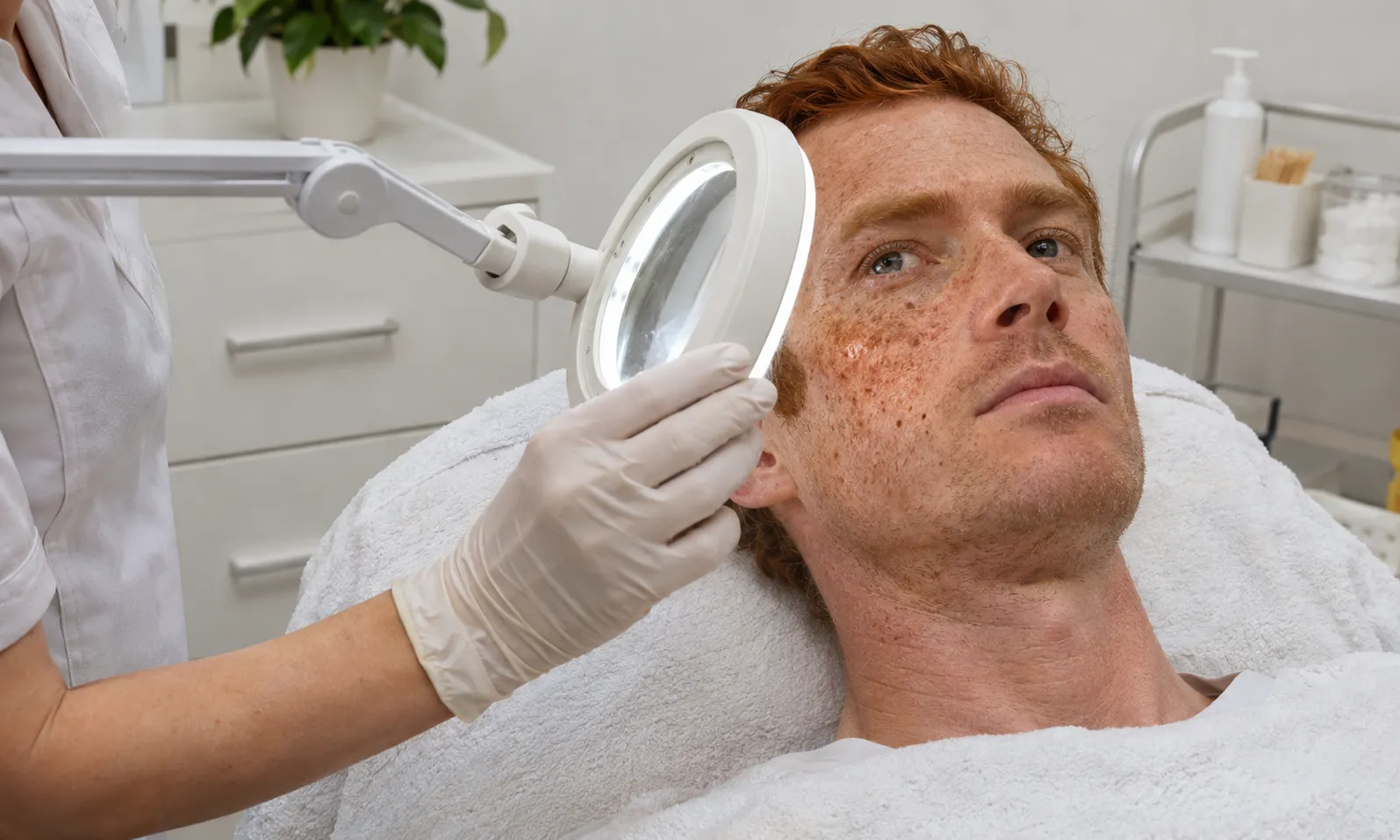
Cleveland Clinic's health pages at my.clevelandclinic.org give a plain definition: "Photoaging is sun damage that accumulates over a lifetime of exposure." The seven questions below take that idea apart one piece at a time. The desk answers them for Roswell readers, along with questions on sun spots and melasma, laser resurfacing, PRP, and IPL and BBL.
Which questions a page can settle
Sun damage is already on the skin, so this area holds both kinds of question. A question about what a term means or how a product works is a reading question. A question about a mark, patch or texture on your own skin is a looking question, and it needs a clinician who can examine it.
First step
Start with the terms. What is photoaging? sets the vocabulary. What are the signs of photoaging? is the one to read before you describe what you see to anyone.
Home care limits
The sunscreen and prevention questions are the home care questions here. They are How can I prevent ultraviolet photoaging?, How much sunscreen should I use? and What is the difference between chemical and physical sunscreens?. They cover what you do yourself and stop where the question turns to what is already on your skin.
Outside guidance on the same ground comes from Cleveland Clinic, with its skin care basics and sun protection tips, and from the American Academy of Dermatology statement on the importance of sun protection.
When to book
How is photoaging treated? and Can sun damage be reversed? are treatment questions. Read them before a consultation, because the answer for your own skin comes from an exam.
Nearby topics
Questions about PRP sit on PRP for skin, and photofacial questions sit on IPL and BBL photofacials. The Harvard Health article on platelet-rich plasma and hair loss covers PRP in a different setting. Cleveland Clinic also has a page on lip lines, their causes and their treatments, a concern this desk does not cover.
Where you stop and the clinician starts
Prevention and reading are yours to handle. Anything you can see changing on your own skin is not, so get seen and let the exam decide what comes next.