
PRP for skin
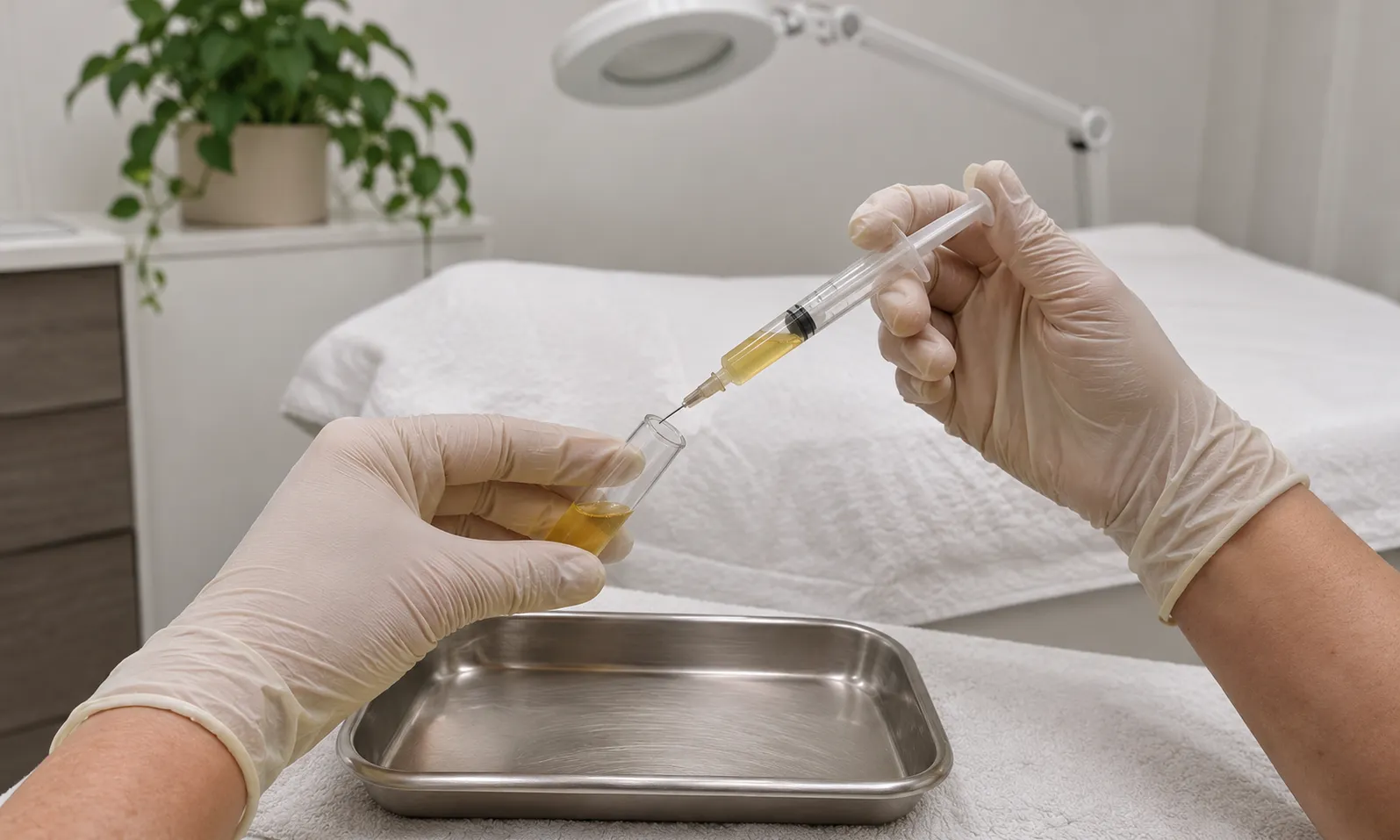
The three questions below are filed under PRP, which stands for platelet-rich plasma, and they all use the nickname vampire facelift. The American Academy of Dermatology writes that "A few dermatologists are using PRP to give patients younger-looking skin."
Reading questions here, looking questions elsewhere
All three questions below are reading questions. They ask what the treatment is, how the names differ and how it feels, and a page can answer those. A question about your own skin after a treatment is a looking question. It goes to the clinician who did the work or to another licensed clinician.
First step
Begin with the definitions. What is a vampire facelift? comes first. What is the difference between a vampire facelift and a vampire facial? comes second and sorts out the two names. The desk answers these for Roswell readers, along with questions on sun damage, sun spots and melasma, laser resurfacing, and IPL and BBL.
Home care limits
None of the three questions is a home care question.
When to book
Is a vampire facelift painful? is the one to read before a consultation, because it is a question you would put to the clinician anyway. Book once you have your own questions written down.
Related reading on hair
PRP also appears in articles about hair loss, which falls outside this desk's skin topics. The Harvard Health article on platelet-rich plasma and hair loss and the American Academy of Dermatology news release on PRP therapy for hair loss cover that separate subject.
Handling it yourself and getting seen
You can do the reading yourself, including the comparing and the question list. You cannot do the looking. If something on your skin worries you, get seen and bring those questions with you.